Once upon a time, power was measured in land, armies, or gold. Today, it’s measured in influence — in the ability to shape minds, move hearts, and spark conversations that cross borders. Welcome to the Age of Soft Power, where culture has become the most valuable currency of all.
In 2025, fashion, film, music, and social movements are no longer separate worlds — they’re the threads of a new global fabric.
From Seoul to São Paulo, Lagos to Los Angeles, culture is diplomacy. It’s how nations and individuals alike define identity, export creativity, and challenge narratives.
The Global Shift
The rise of streaming platforms, digital art, and social media has democratized storytelling. Voices once confined to local stages are now shaping global perspectives. K-pop bands headline stadiums in Paris, Nigerian Afrobeats dominate playlists in New York, and Colombian filmmakers win international festivals.
This isn’t coincidence — it’s evolution. Culture has become the universal language of connection. In an era of uncertainty, it offers belonging. In a world fragmented by algorithms, it creates common ground.
Governments have noticed, too. South Korea’s “Hallyu wave” — powered by music, cinema, and beauty — has become one of the most successful national branding strategies in history. France continues to use art and cinema as cultural diplomacy. Even small nations are investing in creative industries as vehicles of identity and economic growth.
The Individual as Cultural Force
But soft power isn’t only geopolitical. It’s deeply personal. Every influencer, designer, and digital creator is now a micro-ambassador of culture.
On TikTok, a 20-second video can redefine beauty ideals. On Instagram, a single photo can revive heritage craftsmanship. Online communities are no longer passive audiences — they’re active participants in the cultural narrative.
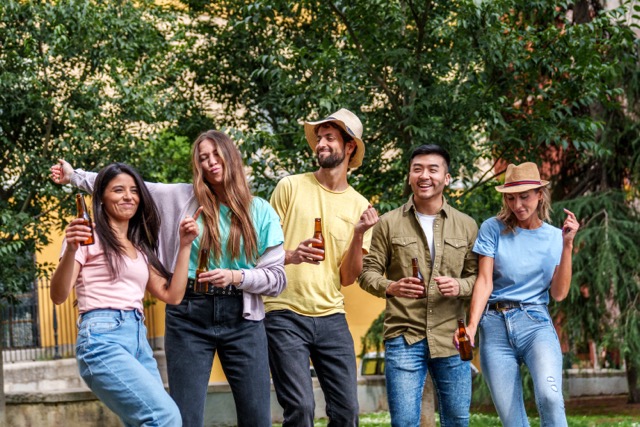
The result is a new kind of global citizen — one who expresses belonging not through nationality, but through shared aesthetics, causes, and values.
The Aesthetic Economy
Culture has become capital. Brands no longer sell products; they sell worldviews.
A lipstick shade, a playlist, or a campaign image carries meaning — it says, “This is who we are.” The collaboration between fashion houses and musicians, artists, or filmmakers isn’t marketing anymore; it’s storytelling.
This blending of art and commerce has birthed what critics call the aesthetic economy — a landscape where emotion, narrative, and identity hold more value than the object itself. And it’s reshaping not just consumption, but consciousness.
The Future of Cultural Power
Soft power thrives where authenticity lives. The future belongs to creators and communities that tell true stories — raw, local, and human.
Culture can’t be manufactured; it must be lived.
That’s why the next generation of cultural icons isn’t defined by fame but by meaning. Activists, digital artists, and hybrid storytellers are becoming the new architects of influence.
In a time when artificial intelligence can generate images, music, and text, the most powerful thing left is intention. The soul behind creation. The human touch that algorithms can’t replicate.
A New Definition of Power
In the end, power today isn’t about control — it’s about connection.
Empires once ruled through force; now, they lead through feelings.
The clothes we wear, the music we share, the art we consume — they shape who we are and how we see one another.
Culture has become our common ground — a global heartbeat reminding us that even in our differences, we are still one story told in many languages.